
Archi5 mark

ARCHI5

The live studio for architecture students.

What ARCHI5 is

A working studio you can open at any hour — and you become an Archiv.

Everyone who works here is an ARCHI5 user — an Archiv. Students, teachers and architects, same word. Write it ARCHI5 or write it Archiv; both are the same studio and both are fine by us. What an Archiv gets is simple: a table to draw on, someone honest sitting beside it, and a record of the work that nobody can take away.

The light table that thinks

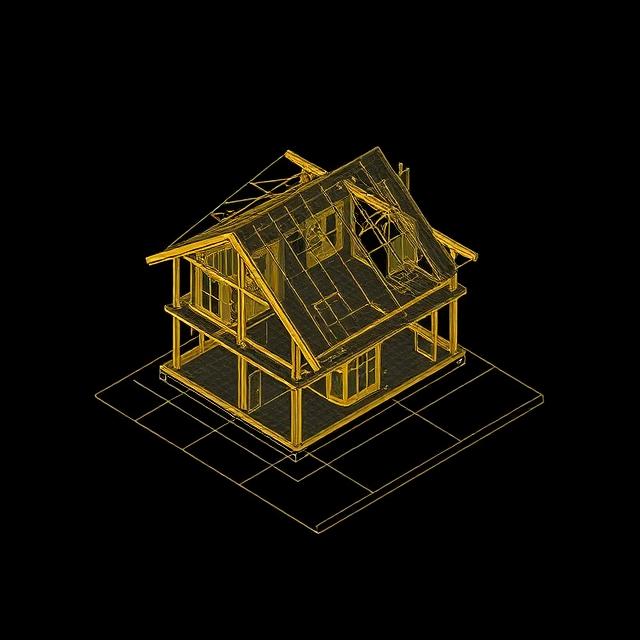
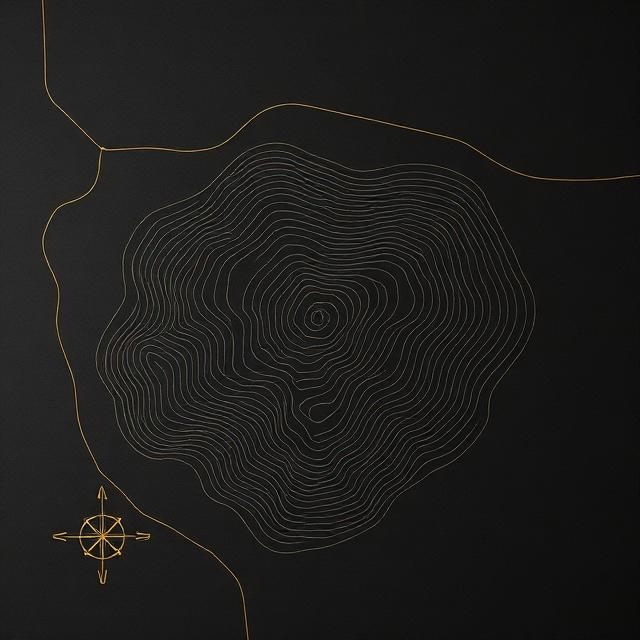
Draw on it and it reads you back: a light you can turn up to see your searching lines and down to see only what you decided, a plain reading of which line is carrying the drawing, and — when you ask — the same scheme stood up in three dimensions. Your sheets stay with you from first sketch to final pin-up.

It reads a real stylus — how hard you press changes the line. A mouse works; a pen is better. The three-dimensional study is machine work and is always labelled.
Architeon at your elbow

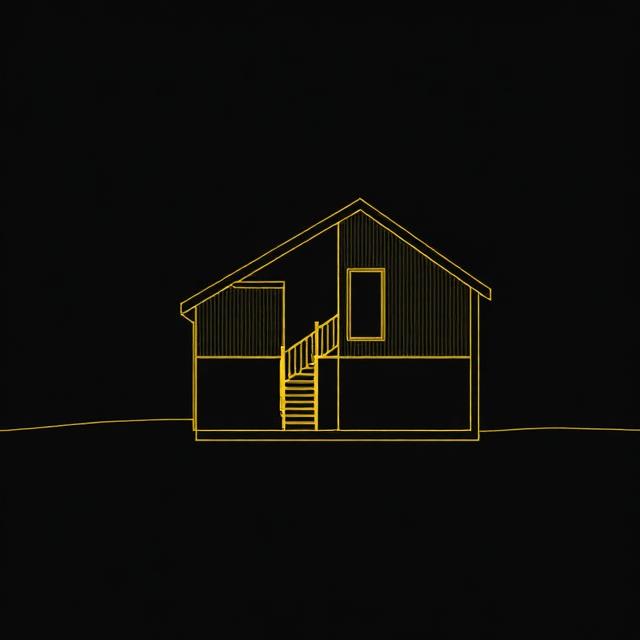
He will not draw the project for you. He asks what the plan is doing, sends your pen back to the table, and reads your sheets when you ask for a crit.

Ask him for the answer and he will usually ask you a harder question first.

Briefs, pin-ups, crits

Your teacher writes the brief and its stages. You upload at each pin-up, the work reaches the gallery and the teacher's evidence bank, and the crit happens on the sheet itself.

Nothing is graded automatically. Your teacher keeps the judgment.

Exhibition, competitions, portfolio

Finished work can be exhibited, entered into competitions we run and collect, and carried out as a portfolio you own when the term ends.

The work is yours. You can take it with you.

ARCHI5 EcoSpace entrance

One door, and your ID decides the desk behind it.

Sign in, record the ID your institution issued, then the same entrance sends you to the right desk: student, teacher or architect. Everyone comes in the same way.

Rebecca

Your AI architect companion is present at the entrance.

The ARCHI5 triangle

Three human seats. One continuous project.

Architeon and the family support all three seats. They never replace the student, teacher or practising architect.

Sets · watches · corrects

Teacher

Sets the brief, sees the evidence, critiques and confirms learning.

Open teacher desk

Authors · tests · decides

Student

Owns the work, the decisions and the final architectural position.

Open student desk

Coordinates · documents · delivers

Architect

Tests professional reality, buildability, coordination and issue information.

Open architect desk

Blueprint of the design studio

What this is, all in one view

A design studio is a journey, not a subject

You read a brief, take a position, and defend it with drawings. Everything else serves that.

The brief is the authority

Site, programme, deliverables, criteria and dates come out of your own document — nothing invented.

You are the author

Archi5 locates where you stand and names the next drawing. It never signs your work.

  1. A1 · Read

    Brief, syllabus, requirements

  2. A2 · Draw

    First sketches and diagrams

  3. A3 · Trace

    Critique overlays and revisions

  4. A4 · Mass

    Site, form, programme, models

  5. A5 · Coordinate

    Technical development and BIM

  6. A6 · Build

    Documentation and presentation

Who stands where

Student —
Author of the brief, the drawings and every invitation.
Teacher —
Critique tied to the brief; assessment only when authorised.
Peer —
Comments and questions, never edits.
Specialist —
Bounded technical advice, one issue at a time.

What it will not do

  • No marks, and no replacement for your school.
  • Private by default; nothing published without your act.
  • No anonymous criticism, no group editing of your work.
The full prospectus →

Who sits at the table with you

Architeon and the family receive the work at the desk.

A conversation at the ARCHI5 studio desk.

ARCHI5 for everyone

Architeon and the five family seats. No single imposed definition.

Each studio colleague explains ARCHI5 from a different seat. With experience, every user should form—and defend—their own understanding.

Studio companion

Architeon

“A drawing is an argument made through space. I read where its plan, section, structure, climate and sequence support one another—and where one of them quietly breaks the claim.”

He asks, reads and points to the next move. He never takes authorship from the student.

Film sound starts only when you press play

Architeon and the five family members are AI studio colleagues with written limits—not human staff, assessors or licensed signatories.

The preview ends here

Like a good film, you have now seen the trailer. The studio itself—the desks, the reviews, the evidence and the family's working methods—opens only with registration. Students register by level and credit hours; teachers join free with a staff ID; architects with a practice number.

Architeon · Studio companion